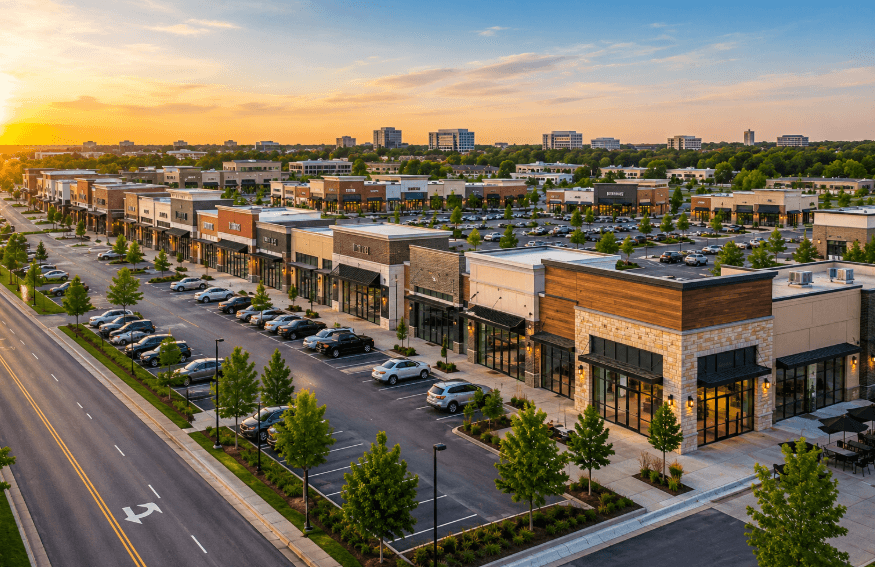
Why Retail Developers Are Betting Big on Chicago Suburbs in 2026
Quick Answer
Retail construction is expanding across Chicago suburbs because population growth, changing consumer habits, rising demand for convenience, and increased investment in mixed-use developments are creating strong opportunities for commercial real estate. As more people choose to live, work, and spend time in suburban communities, developers are responding with new shopping centers, retail plazas, restaurants, and lifestyle-focused destinations designed to meet evolving consumer needs.
A New Era of Retail Development Is Taking Shape
If you’ve driven through communities like Schaumburg, Arlington Heights, Buffalo Grove, Deerfield, Elgin, Naperville, or Vernon Hills recently, you’ve probably noticed something interesting. New retail centers seem to be appearing everywhere. Shopping plazas are expanding, mixed-use developments are becoming more common, and older commercial properties are being transformed into modern destinations.
At first glance, this trend might seem surprising. After all, headlines have spent years focusing on the growth of online shopping and the challenges facing traditional retail. Yet despite those concerns, developers continue investing heavily in retail construction throughout suburban Chicago.
The reason is simple. Retail is not disappearing. It is evolving. Today’s consumers still want physical places where they can shop, dine, exercise, meet friends, access healthcare services, and enjoy experiences that cannot be replicated online. Developers recognize this shift and are building projects designed to serve modern lifestyles rather than yesterday’s shopping habits.
The result is a new generation of retail developments that look very different from the shopping centers of the past. These projects are increasingly focused on convenience, community, and long-term value creation.
Population Growth Is Creating New Retail Opportunities
One of the biggest reasons retail development continues to accelerate in Chicago suburbs is population growth. Retail has always followed rooftops, and suburban communities throughout the region continue attracting residents seeking more space, stronger school districts, and a higher quality of life.
As residential neighborhoods expand, demand naturally increases for everyday services. New residents need grocery stores, pharmacies, restaurants, fitness centers, healthcare facilities, childcare providers, and countless other businesses that support daily life. Developers closely monitor these trends because growing populations often create immediate demand for new retail construction.
This relationship between housing growth and retail development is one of the most reliable patterns in commercial real estate. When people move into an area, businesses follow. When businesses move in, additional commercial investment often follows as well. The cycle creates opportunities for developers, property owners, retailers, and local communities alike.
For many suburban markets, this growth is not temporary. Long-term demographic trends suggest continued demand for retail services in well-positioned communities throughout the Chicago metropolitan area.
The Suburbs Are No Longer Just Bedroom Communities
For decades, many suburbs functioned primarily as residential communities where people lived but spent much of their working and leisure time elsewhere. That model has changed significantly in recent years.
Today’s suburbs are becoming self-sustaining economic centers. Communities are investing heavily in infrastructure, transportation improvements, business development initiatives, public spaces, and quality-of-life enhancements that attract both residents and employers.
As more companies establish offices and operations in suburban markets, daytime populations increase alongside residential populations. This creates demand not only for retail services but also for restaurants, entertainment venues, healthcare facilities, and other commercial uses.
Developers recognize that these growing suburban economies can support a much broader range of retail concepts than they could in the past. Rather than relying solely on traditional shopping centers, many communities are now supporting vibrant mixed-use districts that serve residents, workers, and visitors throughout the day.
This transformation is helping suburban retail evolve into something much more dynamic than it was a decade ago.
Consumer Behavior Has Changed and Retail Is Adapting
One of the biggest misconceptions about retail construction is that online shopping has eliminated the need for physical stores. While e-commerce has certainly changed the retail landscape, it has not eliminated demand for well-located retail destinations.
In reality, consumer expectations have shifted. Today’s shoppers prioritize convenience, accessibility, and experiences. They want to accomplish multiple tasks during a single trip and prefer destinations that combine several services in one location.
A typical consumer may visit a retail center to pick up groceries, grab coffee, attend a fitness class, meet a healthcare provider, and enjoy a meal with family or friends. This type of convenience is difficult to replicate through online channels alone.
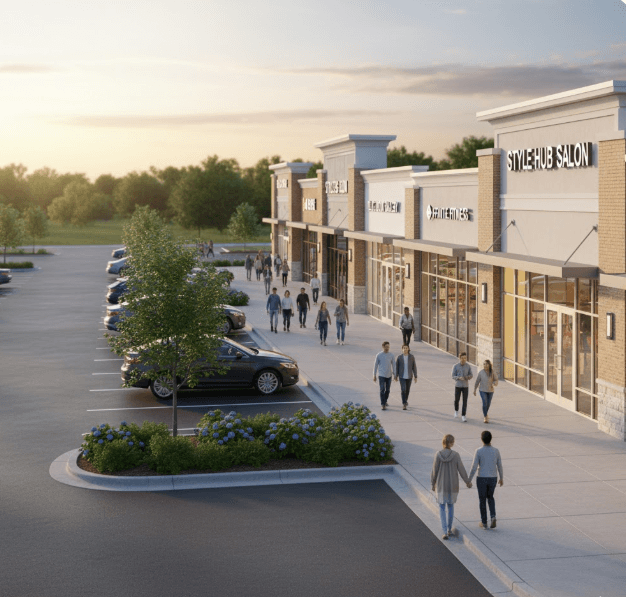
Developers are responding by creating retail environments that cater to these preferences. Modern shopping centers increasingly focus on service-based businesses, restaurants, entertainment options, and lifestyle-oriented experiences that generate consistent traffic and community engagement.
Rather than competing directly with online shopping, successful retail developments are offering something different: convenience, connection, and experience.
Mixed-Use Developments Are Changing Everything
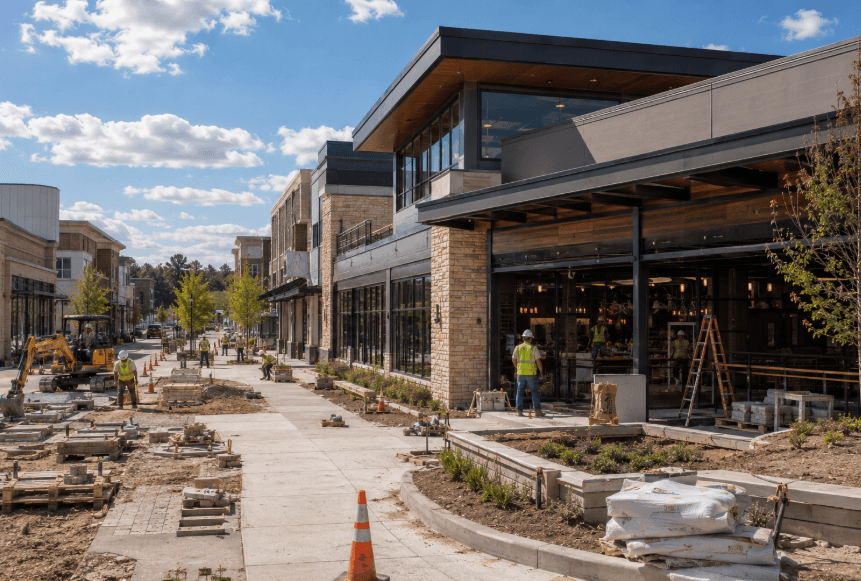
Perhaps the most significant trend shaping suburban retail construction today is the rise of mixed-use development. Across the country, developers are moving away from single-purpose projects and embracing developments that combine residential, retail, office, entertainment, and public spaces within a single destination.
This approach creates powerful synergies. Residents living within a mixed-use community become built-in customers for nearby retailers and restaurants. Businesses benefit from a steady flow of foot traffic, while residents enjoy the convenience of having essential services close to home.
Mixed-use developments also tend to create stronger community connections. Instead of serving as places people visit occasionally, they become destinations where people live, work, shop, dine, and socialize on a regular basis.
From a development perspective, mixed-use projects can create more resilient investment opportunities by diversifying revenue sources and reducing dependence on any single tenant category. This is one reason many of the most ambitious commercial projects throughout Chicago suburbs now include some form of mixed-use component.
As consumer preferences continue evolving, mixed-use developments are likely to play an even larger role in shaping future retail construction.
Retail Demand Has Evolved Rather Than Disappeared
The strongest retail categories today are not necessarily the same categories that dominated shopping centers twenty years ago. Modern retail demand is increasingly driven by businesses that provide services, experiences, and convenience.
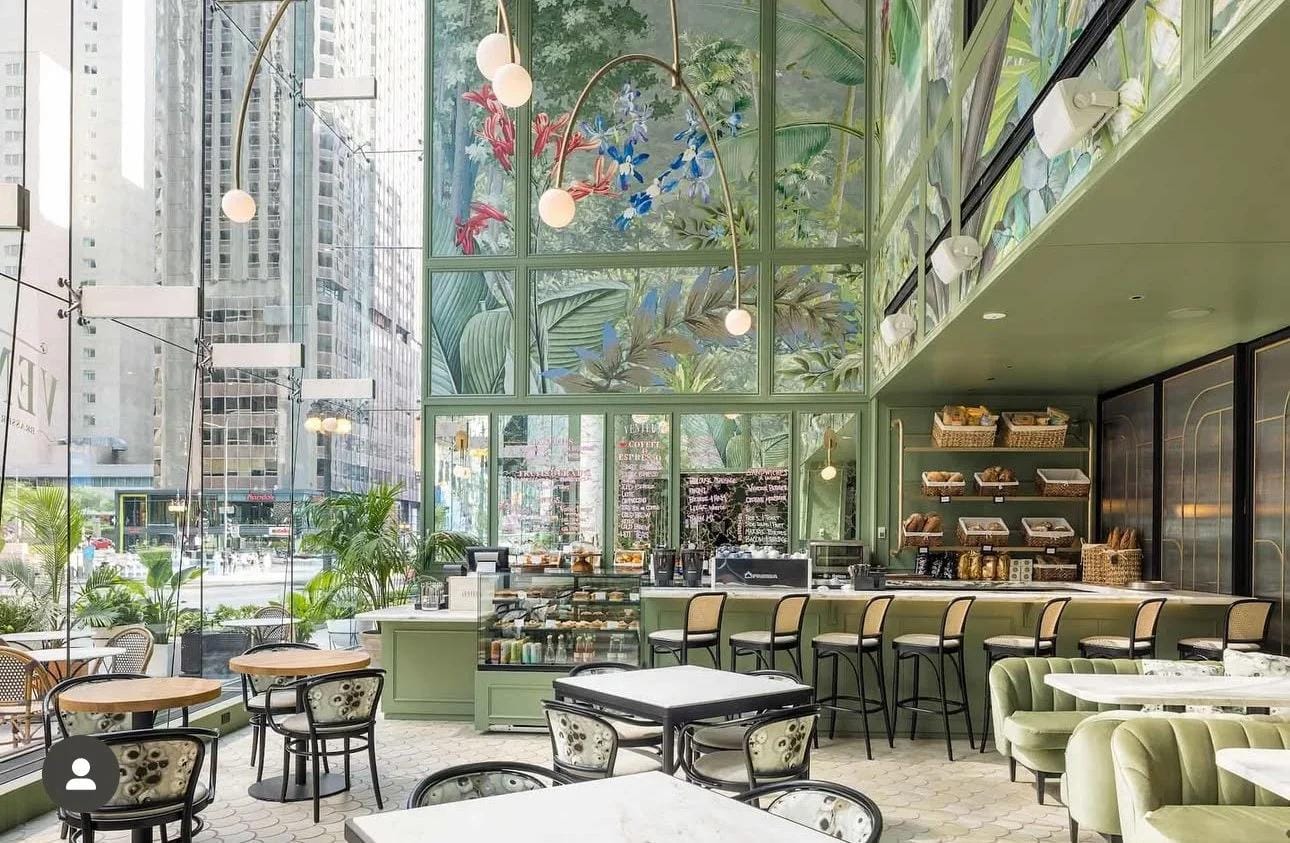
Restaurants continue to be among the most sought-after retail tenants because they generate consistent traffic and encourage repeat visits. Healthcare providers are becoming increasingly common in retail environments as consumers seek convenient access to medical services. Fitness centers, wellness businesses, childcare providers, financial institutions, and personal service businesses are also playing larger roles in today’s retail developments.
These types of businesses cannot be replaced by e-commerce. They require physical locations and face-to-face interactions, making them valuable components of modern retail centers.
Developers understand this shift and are designing projects that accommodate these growing categories. The result is a retail environment that looks very different from the traditional shopping centers of previous decades.
Redevelopment Is Fueling Growth Too
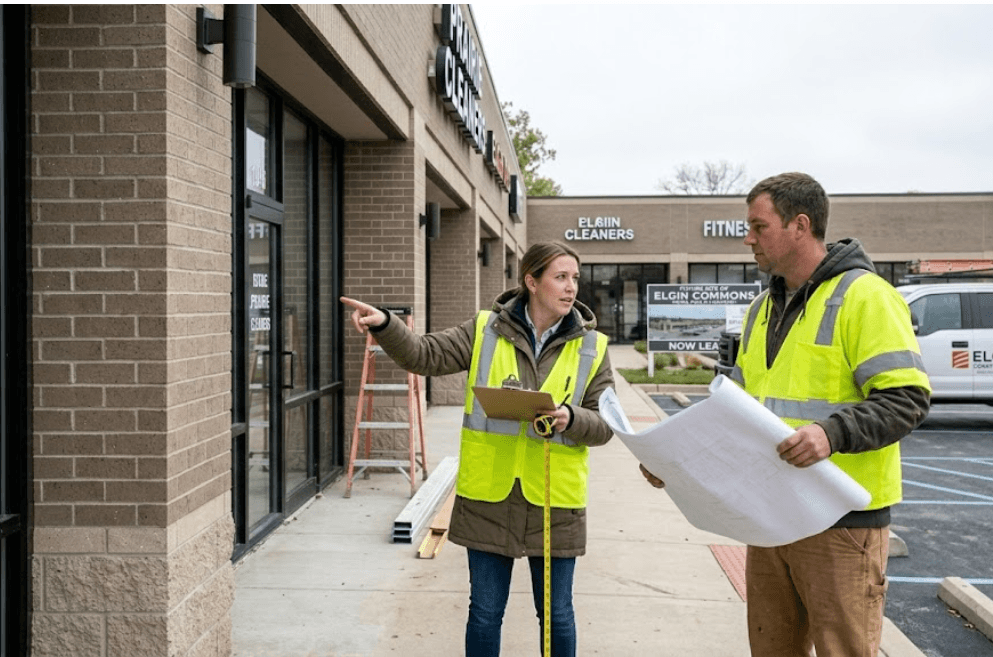
Not all retail development involves building from the ground up. Across the Chicago suburbs, many developers are finding success by redeveloping and modernizing existing commercial properties.
Older shopping centers often occupy excellent locations but may no longer meet the needs of today’s tenants or consumers. Rather than abandoning these assets, developers are investing in renovations that improve aesthetics, functionality, and tenant mix.
Many redevelopment projects include facade upgrades, enhanced landscaping, improved parking layouts, outdoor gathering areas, new restaurant concepts, and updated retail spaces designed to attract modern businesses.
These investments allow aging properties to remain competitive while creating opportunities for communities to benefit from renewed economic activity. In many cases, redevelopment projects can have a transformative impact on local commercial corridors.
For property owners and investors, redevelopment often represents a cost-effective alternative to entirely new construction while still delivering meaningful value.
Why Investors Continue to Believe in Suburban Retail
Retail development requires significant capital, and investors do not commit resources without confidence in long-term demand. The continued growth of suburban retail construction suggests that many investors remain optimistic about the future of these markets.
One reason is that suburban communities often offer strong demographic fundamentals. Stable populations, healthy household incomes, and growing residential development can create favorable conditions for retail investment.
Another factor is the diversification of today’s retail centers. Modern developments frequently include a mix of restaurants, service providers, healthcare tenants, fitness concepts, and traditional retailers. This diversity helps reduce risk while creating multiple sources of customer traffic.
Investors also recognize that many suburban communities continue benefiting from infrastructure improvements and economic development initiatives that support long-term growth. These factors contribute to the ongoing appeal of suburban retail real estate.
Which Chicago Suburbs Are Seeing Significant Retail Growth?
Several suburban communities continue attracting substantial commercial investment due to strong demographics, transportation access, and development opportunities.
Areas frequently associated with retail growth include Schaumburg, Arlington Heights, Buffalo Grove, Deerfield, Elgin, Naperville, Glenview, Vernon Hills, Mount Prospect, and surrounding communities. These markets often benefit from established infrastructure, growing populations, and strong consumer spending patterns.
Developers evaluate each market individually, considering factors such as household income, traffic counts, residential growth, and business activity. While every community is different, locations that demonstrate long-term growth potential tend to attract the greatest retail investment.
As development continues across the region, many of these suburbs are expected to remain active centers for commercial construction and retail expansion.
What This Means for Developers, Businesses, and Property Owners
The ongoing expansion of suburban retail development creates opportunities for multiple stakeholders. Developers can pursue new construction and redevelopment projects in growing markets. Property owners may benefit from increased tenant demand and improved asset values. Business owners gain access to expanding customer bases and new locations for growth.
For retailers and franchise operators, suburban markets offer opportunities to reach consumers who increasingly prefer convenience and proximity. For investors, well-positioned retail assets may continue to provide attractive long-term opportunities.
The key is understanding how demographic shifts, consumer behavior, and development trends are shaping demand across different communities. Those who recognize these patterns early are often best positioned to capitalize on future growth.
Frequently Asked Questions
Why Chicago Suburbs Remain a Hotspot for Retail Development
The rapid expansion of retail centers across Chicago suburbs reflects a broader transformation occurring throughout commercial real estate. Population growth, changing consumer behavior, mixed-use development, and ongoing suburban investment are creating new opportunities for developers, businesses, and property owners.
Retail is no longer simply about shopping. Today’s developments are designed to serve as community destinations where people can access services, enjoy experiences, connect with others, and meet everyday needs. The most successful projects understand this shift and create environments that support modern lifestyles.
As Chicago’s suburban communities continue to evolve, retail development is likely to remain an important part of the region’s growth story. For developers, investors, landlords, and business owners, understanding these trends will be essential for identifying opportunities in an increasingly competitive market.