construction articles
thought leaders in modern residential & commercial construction
do you have a construction project we can help with?
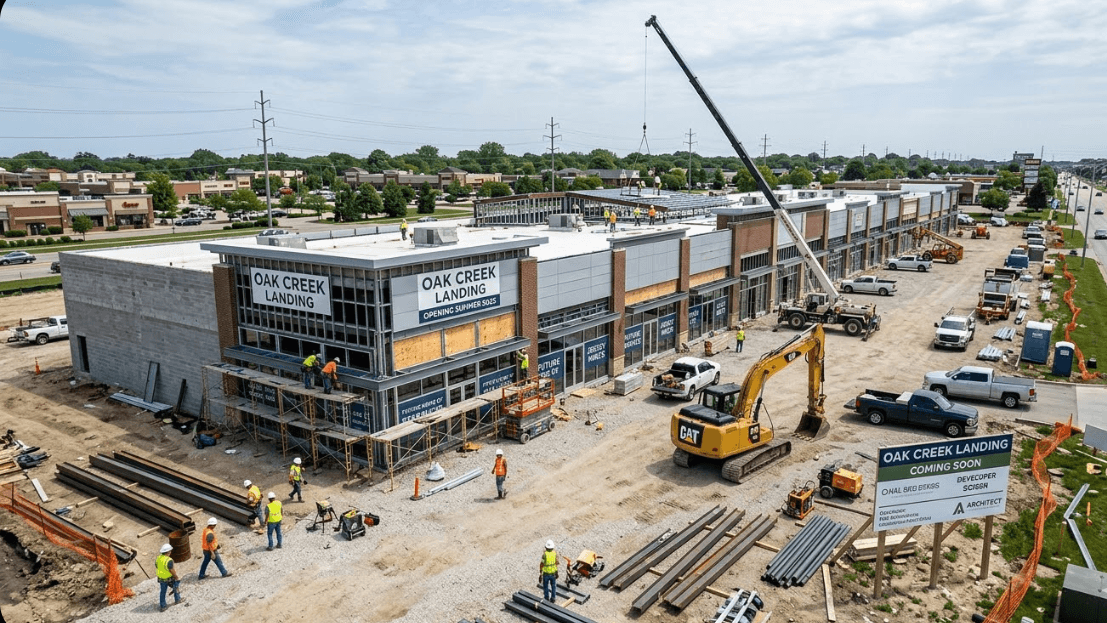
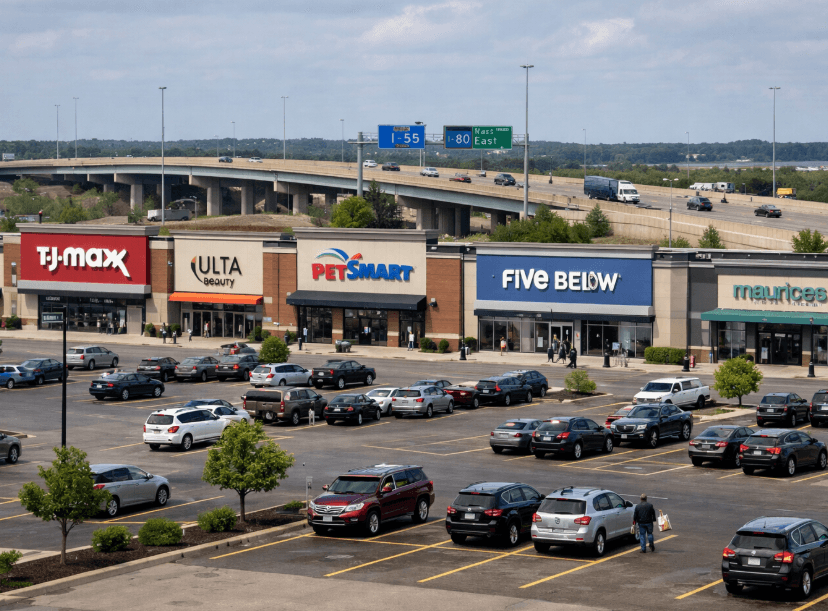
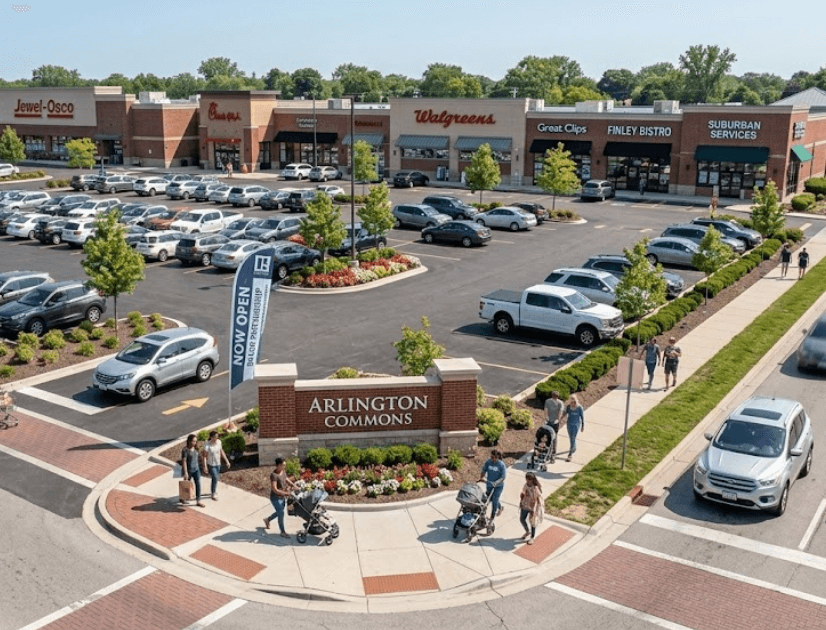
Strip mall construction looks simple from the street. A row of storefronts, a parking lot, a pylon sign. Under that simple picture sits a long list of decisions that decide whether the center leases fast or sits half empty. This guide walks through the parts owners get wrong most often: pad sites, delivery condition, shared
By Sam Bader, Horizon Construction Team LLC | 20+ years building retail, restaurant, and franchise projects across Chicagoland | Published September 11, 2026 Quick Answer Opening three franchise locations at once is almost always the wrong call, even when your development agreement is pressuring you. The version that works is a staggered rollout with roughly 6
By Sam Bader, Horizon Construction Team LLC | 20+ years building retail, restaurant, and franchise projects across Chicagoland | Published September 11, 2026 Quick Answer A franchise buildout in Chicago and the surrounding suburbs typically takes 9 to 14 months from site approval to grand opening. Actual construction accounts for only about 10 to 16 weeks
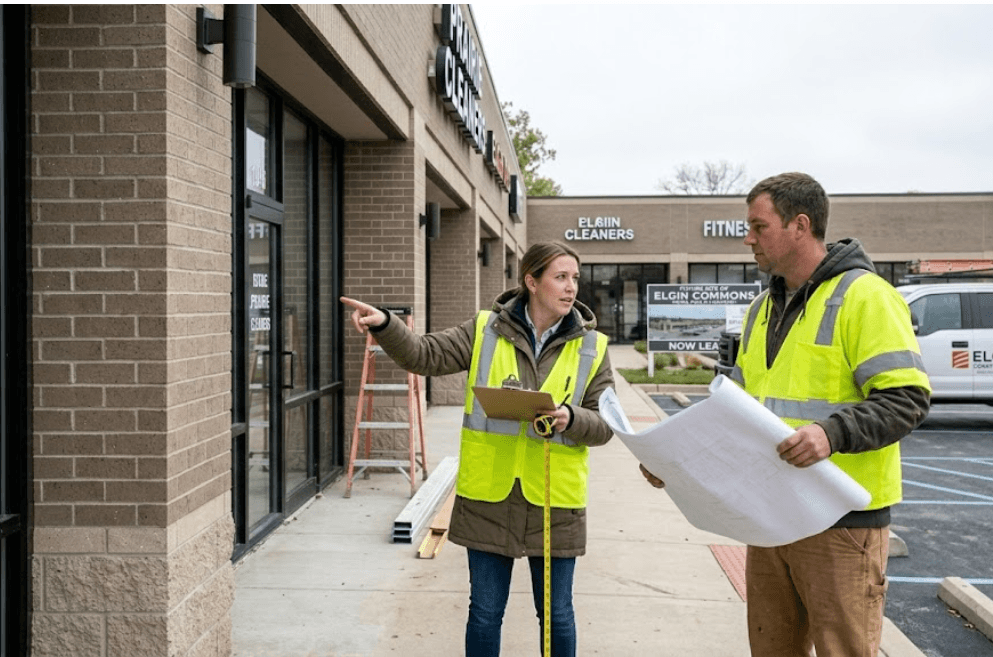
Quick Answer Commercial construction permits in Chicago and the suburbs typically take 2 to 6 months from application to issuance, and longer when zoning relief, a state highway access permit, or a change of occupancy is involved. In the City of Chicago, most commercial work runs through the Standard Plan Review program, with faster paths
Quick Answer Retail site development is everything outside the building footprint: parking, drives, stormwater detention, utilities, grading, landscaping, lighting, and accessible routes. On a ground-up retail project it commonly runs 15 to 30 percent of total construction cost, and it is decided almost entirely by code rather than by preference. Parking ratios in the local
Here is a trend we have been watching closely, and honestly, we are pretty excited about it! Middle Eastern coffee shops are opening across Chicago and the suburbs faster than almost any other kind of food and drink business right now. They are filling strip mall units in Bridgeview. Taking over corner spaces on Kedzie.
Quick Answer Chicago retail construction in 2026 is supply-constrained rather than demand-constrained. Roughly 1.1 million square feet of retail was under construction across the metro entering the year, about 0.2 percent of total inventory, according to CoStar data published by Matthews. Elevated costs and tight financing have shut down most speculative retail. What is actually
Commercial Real Estate + Construction Guide What Should You Check Before Signing a Commercial Lease? You found a commercial space. The location looks promising, the rent appears manageable, and you can already picture your restaurant, retail store, café, office, salon or franchise operating there. But before you sign the lease, there is a more important
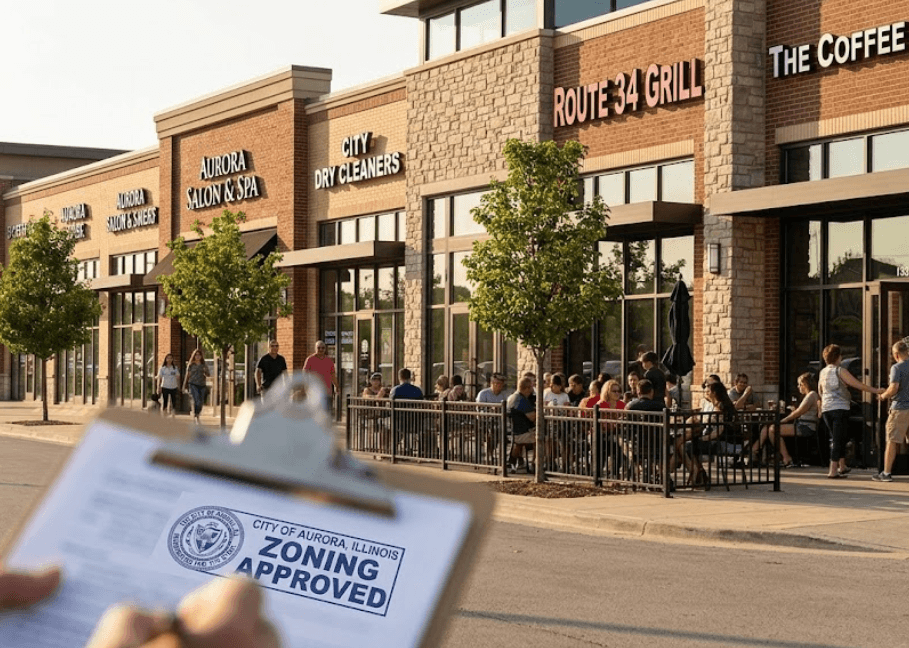
Retail developers are betting big on Aurora, Illinois — the state's second-largest city — in 2026, driven by major projects like the APEX District (a planned 50-acre entertainment district near Chicago Premium Outlets and the incoming Hollywood Casino), the redevelopment of a former Sam's Club into the expanded Pacifica Square Asian-inspired shopping center, and
Schaumburg, Illinois is in the middle of a major retail and restaurant construction boom in 2026, led by The District at Veridian — a $185 million, 30-acre mixed-use redevelopment of the former Motorola campus featuring more than 270,000 square feet of retail and restaurant space, with first retail openings slated for fall 2026. Alongside