Retail Plaza Construction vs. Single-Tenant Commercial Buildings
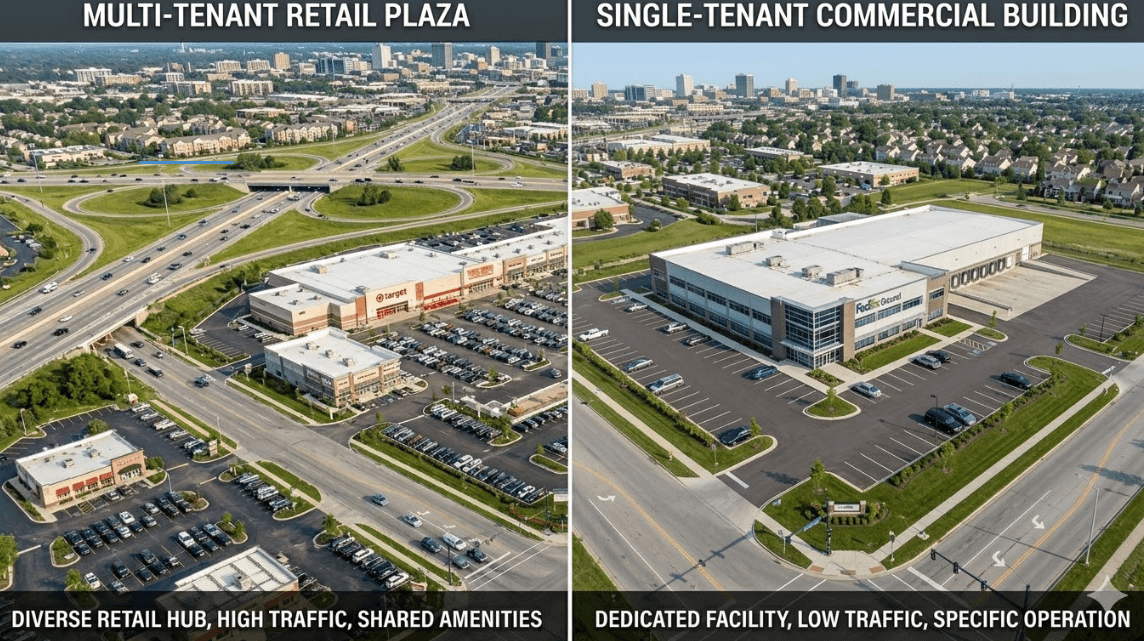
When planning a commercial development, one of the biggest decisions is whether to build a multi-tenant retail plaza or a single-tenant building. Each option offers distinct advantages depending on your investment goals, risk tolerance, and long-term strategy.
Developers often rely on experienced partners like Horizon Construction Team LLC—a trusted Chicago Retail Construction Company—to evaluate which approach aligns best with their vision and market conditions.
Let’s break down the key differences in a clear, side-by-side format.
Quick Comparison Overview
| Feature | Retail Plaza (Multi-Tenant) | Single-Tenant Building |
|---|---|---|
| Investment Size | Higher upfront cost | Lower initial cost |
| Risk Level | Diversified across tenants | Dependent on one tenant |
| Income Potential | Multiple revenue streams | Single lease income |
| Design Complexity | High | Moderate |
| Management Needs | Ongoing management required | Minimal management |
| Flexibility | High (multiple units) | Limited |
1. Construction Complexity
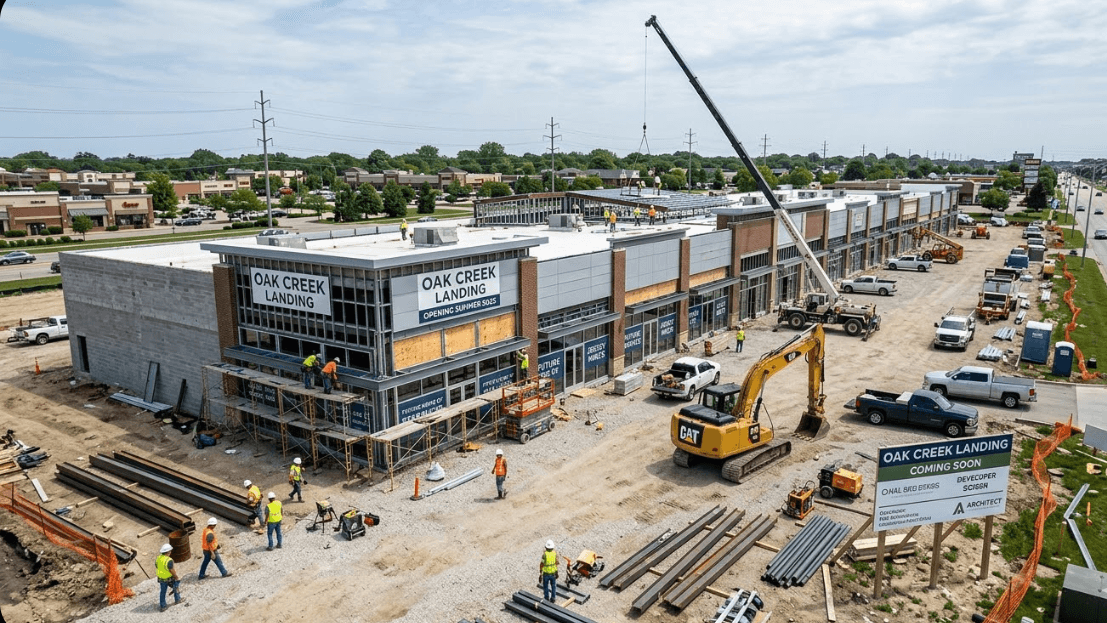
Retail plazas are inherently more complex to build.
They require:
- Multiple tenant spaces
- Shared utilities and infrastructure
- Larger parking layouts
Single-tenant buildings, on the other hand, are simpler:
- Built for one business
- Streamlined design and construction
- Faster completion timelines
Working with specialists in Shopping Plaza Construction is essential when managing multi-tenant complexity.
2. Cost Differences
Retail Plaza:
- Higher upfront costs
- Larger land requirements
- More extensive site work
Single-Tenant:
- Lower construction costs
- Smaller footprint
- Reduced infrastructure needs
However, higher cost often comes with higher earning potential in multi-tenant developments.
3. Revenue & ROI Potential
Retail plazas generate income from multiple tenants, which:
- Reduces vacancy risk
- Creates diversified revenue streams
- Increases long-term property value
Single-tenant buildings depend entirely on one lease. While this can be stable (especially with long-term tenants), it carries higher risk if the tenant leaves.
4. Location Sensitivity
Both models depend on location—but in different ways.
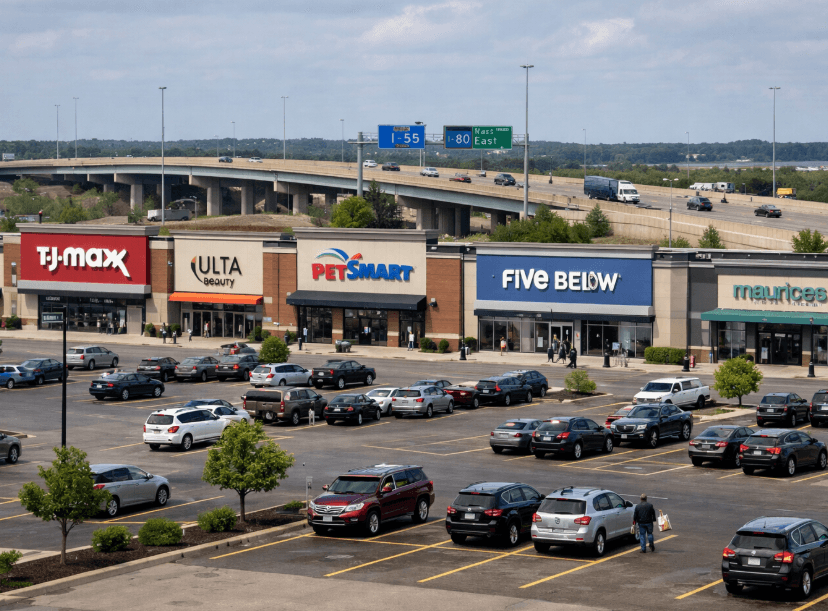
Retail plazas thrive in:
- High-traffic commercial zones
- Dense suburban areas
Strong markets include:
Single-tenant buildings can succeed in more niche or specialized locations depending on the business type.
5. Leasing & Tenant Management
Retail plazas require:
- Managing multiple leases
- Coordinating tenant improvements
- Ongoing property management
Single-tenant properties are simpler:
- One lease agreement
- Minimal oversight once occupied
Developers working in regions like Retail Construction in Chicago South Suburbs often choose based on their management capacity and investment goals.
6. Long-Term Flexibility
Retail plazas offer more adaptability:
- Units can be re-leased individually
- Spaces can be reconfigured
- Easier to adjust to market trends
Single-tenant buildings are less flexible:
- Designed for a specific tenant
- May require significant renovation for new occupants
7. Risk vs. Reward
- Retail Plaza: Higher risk upfront, but greater long-term upside
- Single-Tenant: Lower risk initially, but limited growth potential
An experienced Western Suburbs retail construction contractor can help evaluate which model aligns with your financial strategy.
Final Thoughts
There’s no one-size-fits-all answer when choosing between a retail plaza and a single-tenant commercial building. The right choice depends on your budget, risk tolerance, and long-term investment goals.
Retail plazas offer scalability and higher income potential, while single-tenant buildings provide simplicity and stability.
By partnering with a knowledgeable Chicago Retail Construction Company, you can confidently choose the right development path and execute it successfully.