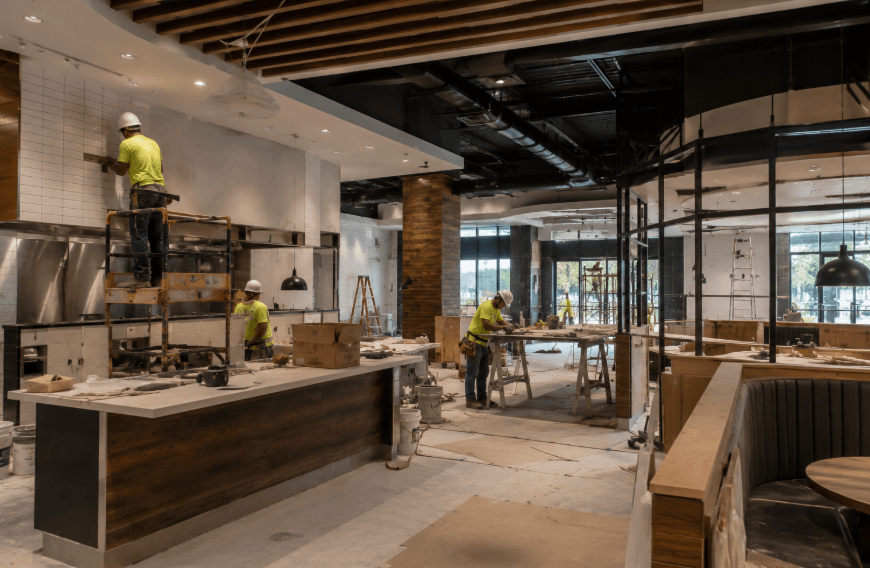
Here is a trend we have been watching closely, and honestly, we are pretty excited about it! Middle Eastern coffee shops are opening across Chicago and the suburbs faster than almost any other kind of food and drink business right now.
They are filling strip mall units in Bridgeview. Taking over corner spaces on Kedzie. Anchoring brand new plazas in Lombard. And every single one of them is a buildout project.
So let us walk you through what is happening, where it is happening, and what it actually takes to build one of these spaces.
The Numbers Are Wild
This is not a niche thing. Chicago now has at least 27 Yemeni chain cafes plus roughly another dozen independent shops, according to Axios Chicago.
Nationally, research firm Technomic found these shops grew by half in a single year. That makes it the fastest growing coffee segment in the country. Three of these chains landed on a recent Future 50 growth list.
The growth curve tells the story:
- About 60 cafes nationwide in 2024
- 102 in 2025
- Roughly 148 projected for 2026
The brands driving it are Qahwah House, Qamaria, Haraz Coffee House, Matari Coffee, Shibam Coffee, and Arwa. Most started in Dearborn, Michigan and moved west. The founder of Haraz has said publicly he expects these cafes to be as common in the US as Starbucks by 2030.
Key Construction takeaway?
Every one of those numbers is a lease signed and a space built out. That is a real pipeline, and most of it is happening in retail centers.


Where They Are Opening in Chicagoland
We pulled the list together. Notice how many of these sit inside strip malls and multi tenant plazas.
West Suburbs
- Qahwah House at 406 E Roosevelt Rd, Lombard. Open until midnight most nights, 1:00 AM on weekends.
- Matari Coffee Co at 1300 S Main St, Lombard. Same late hours, and a big beautiful interior.
- Shibam Coffee at 141 E North Ave, Glendale Heights. This one includes a private prayer room. More on why that matters in a minute.
South and Southwest Suburbs
- Haraz Coffee House at 13137 LaGrange Rd, Orland Park.
- Qamaria Yemeni Coffee at 8761 S Harlem Ave, Bridgeview. Open 24 hours, with a drive thru.
City of Chicago
The clearest signal is on Kedzie Avenue. WTTW reported that four separate Middle Eastern cafes opened along a single mile of Kedzie in Albany Park and North Park in one year. They opened near a Starbucks that had closed the previous September.
- Qamaria in a strip mall at 4728 N Kedzie Ave
- Shibam in a strip mall at 5241 N Kedzie Ave
- Uri Cafe and Baklava in a strip mall at 4642 N Kedzie Ave
- Nubar, a Kurdish cafe, on the corner at 3200 W Lawrence Ave
Three out of four are strip mall tenants. That is not a coincidence, and we will explain why below.
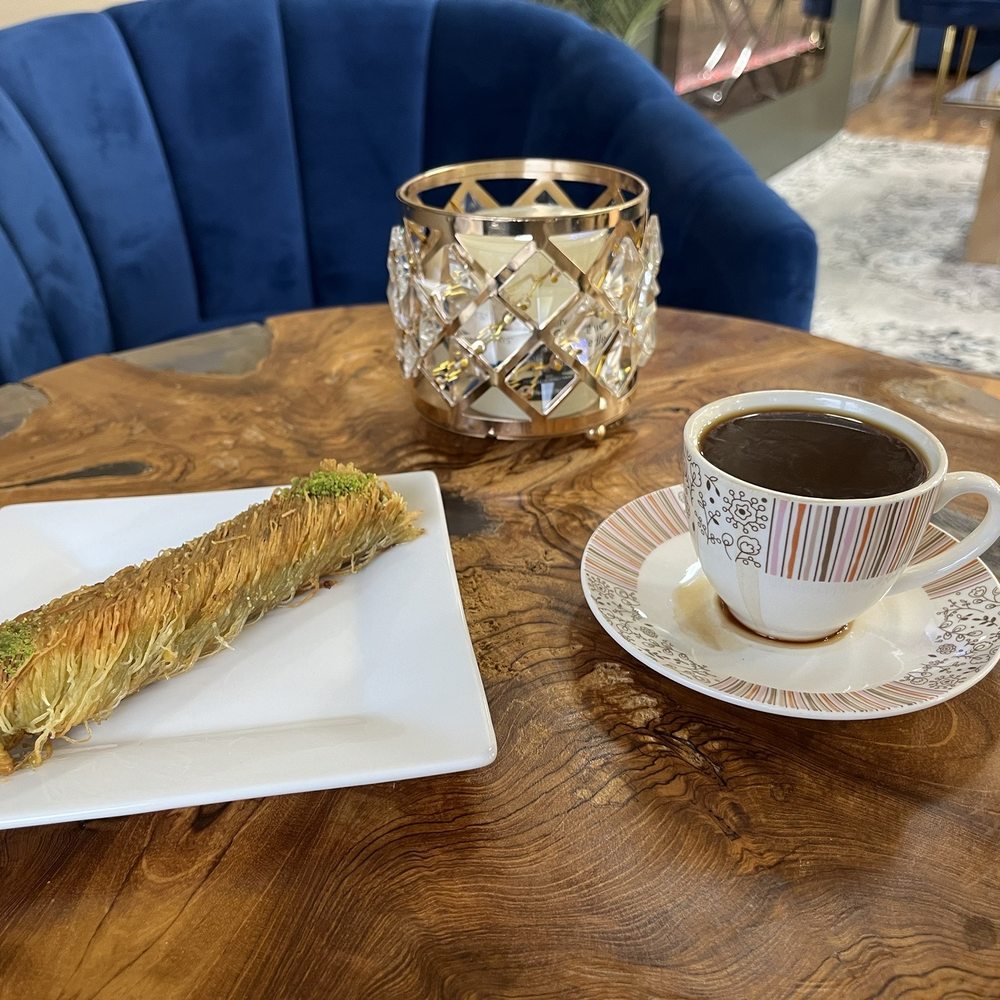

Burj Plaza in Lombard: A Whole Plaza Built for This Market
If you want to see where this is heading, look at Burj Plaza at 515 W Roosevelt Road in Lombard. It opened in August 2026 with more than 21 businesses, and it is easily one of the most interesting retail projects in the western suburbs right now.
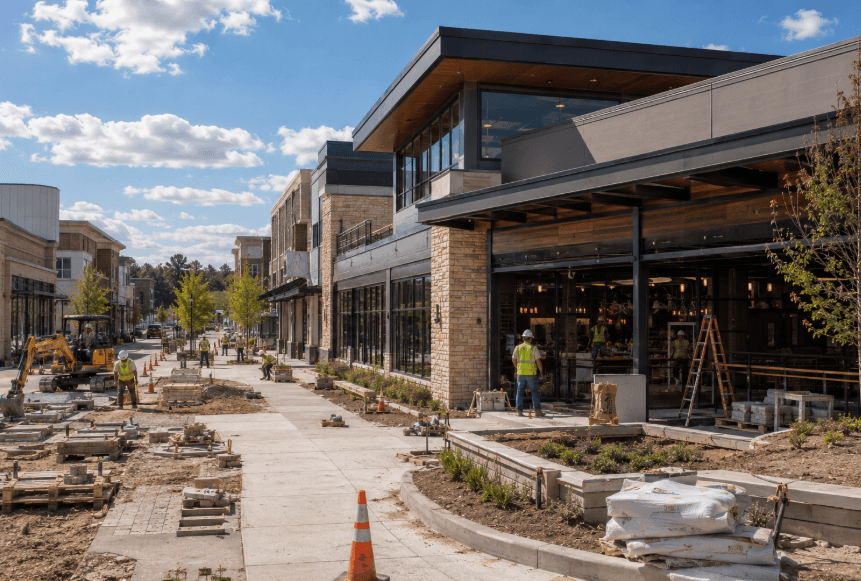
Here is what makes it a great case study from a construction standpoint. This was not a ground up build. It was a conversion, and a complicated one:
- A 10.8 acre site, purchased in December 2024, with demolition and construction starting in 2025
- The former Dania furniture building remodeled into retail, service, and restaurant spaces
- A former Fifth Third Bank building on the corner converted into a restaurant with a drive thru
- A former auto repair building slated for demolition to open up parking
- Two new retail buildings planned, plus a full parking lot reconfiguration
- A banquet facility planned in the southern portion of the main building
The tenant mix leans South Asian and Middle Eastern. Usmania for Pakistani fine dining, Al Manakeesh serving Palestinian food, Shelby’s, Karahi Boys, Dosa Inn, Panwaari, Milk Cake Bakery, and Melt n Dip on the dessert side, plus retail and service tenants like Gulf Perfume and salon suites.
The Village of Lombard approved it in phases across 2025. Phase 1 covered interior renovations and was permitted by right. Phases 2 and 3 went through the Plan Commission and Village Board.
Key Construction takeaway?
A project like this is really five projects at once. Demolition, adaptive reuse, new construction, site and parking work, and then a stack of individual tenant buildouts. Each phase carries its own approvals and its own schedule. This is exactly the kind of work that separates experienced plaza contractors from everyone else.
The Design Language: Small Footprints, Serious Interiors
Here is the part we find genuinely interesting as builders. These cafes share a recognizable design vocabulary, and it is a demanding one to execute.
Walk into almost any of them and you will see:
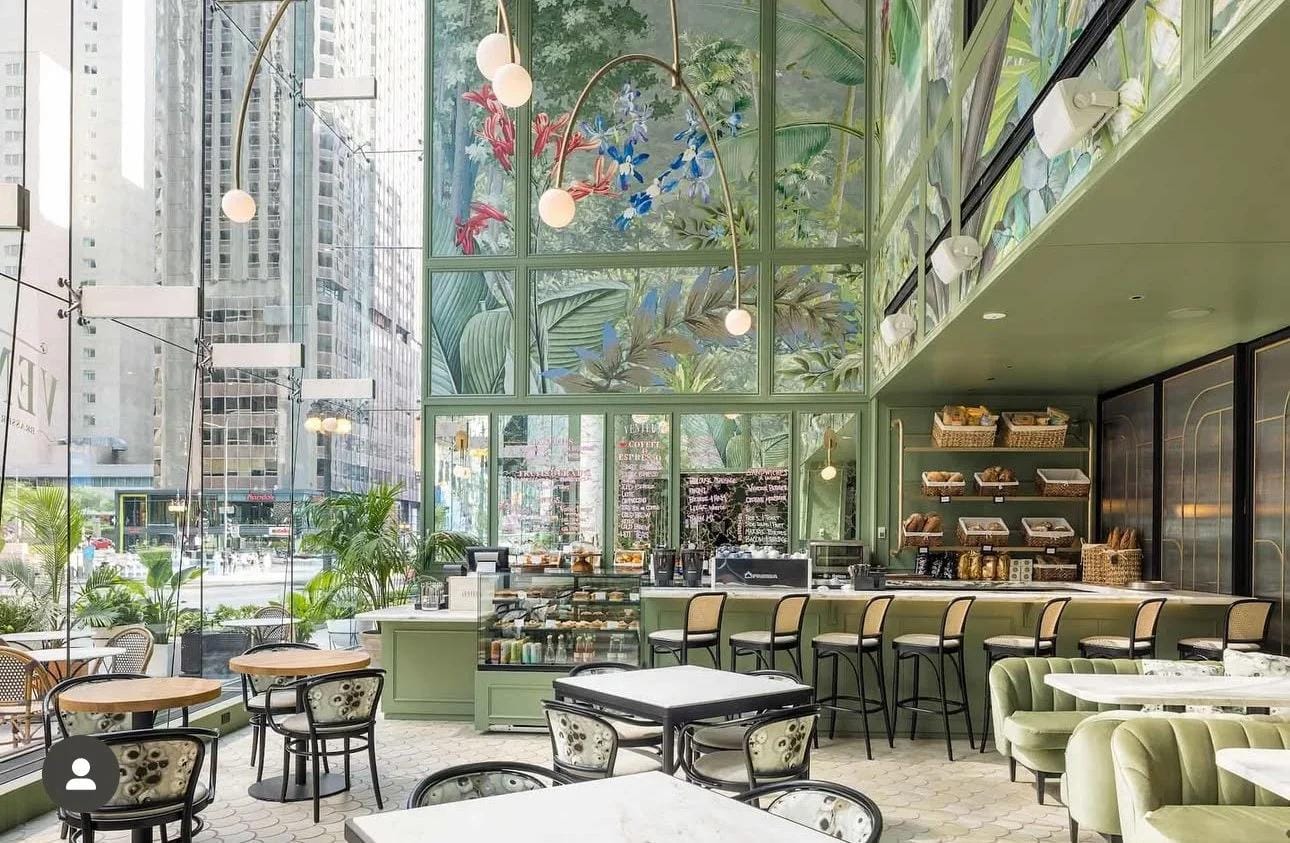
- Light wood millwork and warm natural tones
- Marble or marble look counters and table tops
- Basket pendants and layered warm lighting rather than flat overhead fixtures
- Wall treatments with texture, including finishes made to look like aged or peeling plaster
- Decorative details like amphorae, arches, and carved screens
- A breezy Mediterranean feel that reads as calm rather than busy
It is an architecture of hospitality. The whole point is to make people want to stay for two hours, not grab and go. And these interiors are built to be photographed, which raises the finish standard even further.
Key Construction takeaway?
These are finish heavy, millwork heavy projects in small footprints. That means:
- Custom cabinetry and counter fabrication, often with stone or engineered stone
- A real lighting plan coordinated with the design, not fixtures picked at the end
- Specialty wall finishes that need proper substrate prep
- Tight coordination, because there is nowhere to hide a mistake in a 1,500 square foot room
What a Cafe Buildout Actually Involves
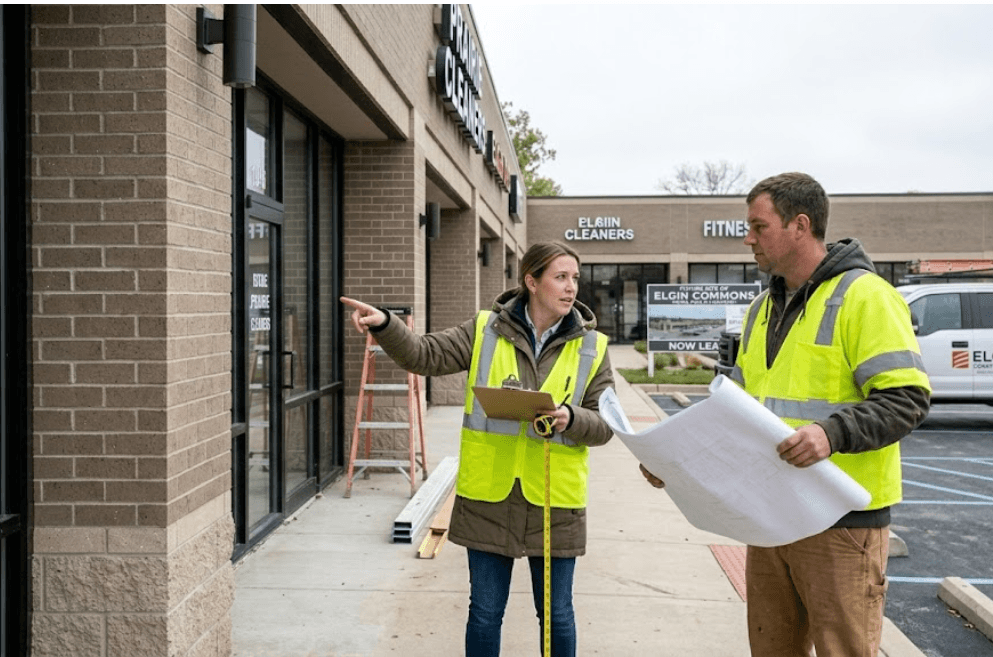
From the sidewalk a coffee shop looks simple. It is not. Here is what these projects really require.
Second Generation Space
Most of these cafes move into a unit that used to be something else. A closed coffee chain, a phone store, a nail salon. People assume that saves money, and sometimes it does. But old plumbing is often in the wrong place, the electrical service is usually undersized for espresso machines and ovens and refrigeration all running at once, and the HVAC frequently needs replacing outright.
Late Hours Change Everything
This is the detail almost everyone misses. Several of these cafes run until midnight or 1:00 AM. One runs 24 hours. There is a cultural reason for it: these spaces function as an alternative to bars, and they get busiest after dinner.
That changes real design and construction decisions:
- Lighting has to perform at night, inside and in the lot
- Finishes, seating, and flooring take far more wear than a shop closing at 6:00 PM
- HVAC runs long hours and needs to be sized honestly
- Restrooms see much heavier traffic
- Security, exterior lighting, and signage all matter more
The Display Case Is a Layout Decision
Pastry and dessert cases are the heart of these shops. They need dedicated power, the right position for customer flow, and enough counter run behind them for staff to work a rush. Get this wrong and the shop fights it every day it is open.
Prayer Rooms and Cultural Space Planning
Some locations include a private prayer room. Shibam in Glendale Heights is one of them. That is a genuine space planning decision. It affects the floor plan, sometimes the plumbing, and how you split square footage between seating and back of house. It has to be designed in from the start, not carved out later.
Food Service and Drive Thrus
Most of these shops are not drink only. Pastries, cakes, and in some cases full menus bring in commercial kitchen requirements: ventilation, grease handling, floor drains, prep areas, and cold storage. And when a location adds a drive thru, like the Bridgeview Qamaria, you are into traffic circulation review, stacking requirements, and usually zoning approval.
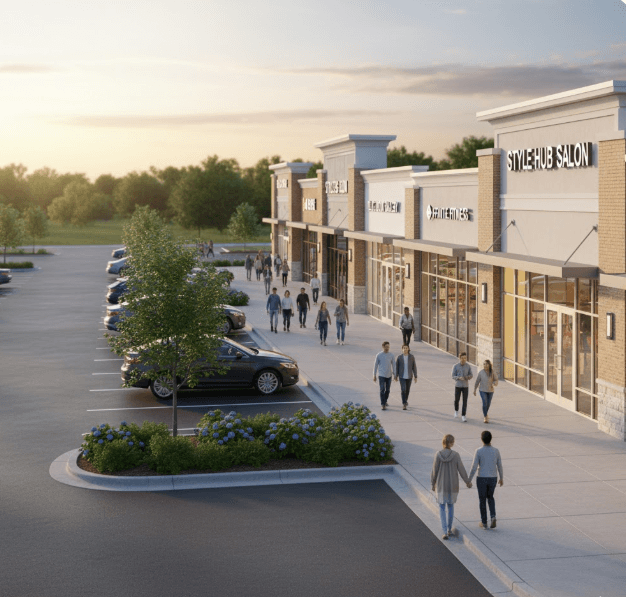
Why Strip Malls Keep Winning
There is a clear reason so many of these land in plazas and strip centers.
- Parking already comes with the site
- Rent is lower than a standalone building
- The shell exists, so it is an interior buildout instead of ground up construction
- Late hours work better in a plaza than on a dense residential block
- These businesses cluster on purpose, near grocers, bakeries, and other shops serving the same community
Why it matters:
If you own or develop a plaza, pay attention here. A cafe running until midnight brings foot traffic during hours when most retail centers are dark. That is real added value for every tenant around it, and it is the kind of anchor that changes how a center performs at night.
What This Means for Retail Construction
1. Conversion Work Is the Growth Area
Most of this demand is being met by converting existing units, not building new ones. Adaptive reuse skills matter more than ever.
2. Design Standards Keep Climbing
These are not basic buildouts. Custom millwork, stone counters, and designed lighting are the baseline expectation now.
3. Speed Matters
These operators are expanding fast and want to open on schedule. Permitting knowledge and clean project management are worth more than a low bid.
4. The Suburbs Are Leading
Bridgeview, Lombard, Glendale Heights, Orland Park. The growth started in suburban Chicagoland and is now moving into city neighborhoods like Logan Square and Lakeview.
Final Thoughts
What we are seeing is a genuine shift in how a whole category of retail space gets used in Chicagoland. Old furniture stores becoming plazas. Closed coffee chains becoming cafes that stay open past midnight. Bank buildings becoming restaurants with drive thrus.
For business owners and developers, the takeaway is simple. Demand for cafe ready retail space is climbing, and the best opportunities are in second generation units and plaza redevelopments.
And for anyone planning one of these projects, the most valuable conversation happens before you sign the lease. That is the moment when a walkthrough can save you months and a lot of money.
If you are opening a cafe, converting a retail unit, or developing a plaza that will house food and drink tenants, reach out to Horizon Construction Team today!
Get a free quote
Google Business Profile
Call: (773) 858-3214
Quick Questions We Get Asked
What is a second generation space?
A unit that was already built out for a previous tenant, so it has walls, utilities, and often plumbing and HVAC in place. It can save money compared to a raw shell, but only if the existing systems match what the new tenant actually needs.
Why do so many Middle Eastern cafes open in strip malls?
Strip malls come with parking, lower rent, and an existing shell that only needs an interior buildout. They also handle late operating hours better than dense residential areas, and these businesses tend to cluster near others serving the same community.
Does a coffee shop need a commercial kitchen hood?
It depends on the menu. A shop serving only drinks and pre made pastries may not need one. Once you add cooking equipment, a hood, fire suppression, and grease handling usually come into scope. That gets decided during plan review.
What drives the timeline on a cafe buildout?
Permitting and approvals are usually the biggest factor, followed by the condition of the existing space and equipment lead times. A unit needing new electrical service, new HVAC, or plumbing relocation will always take longer than one where the existing systems work.
Do you build cafes and restaurants in Chicago and the suburbs?
Yes. Horizon Construction Team LLC builds cafes, restaurants, retail shops, shopping plazas, and strip malls across Chicago and the Chicagoland suburbs. Call us at (773) 858-3214 or request a quote to talk through your project.