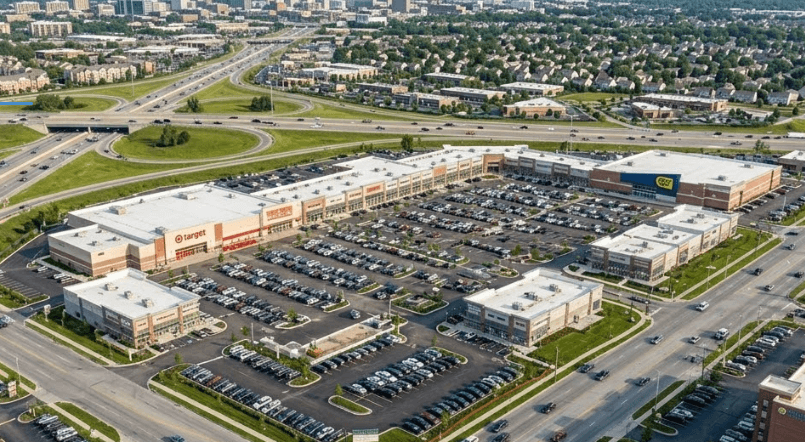
Why Location Matters When Developing a Retail Shopping Plaza
In retail development, location isn’t just important—it’s everything. Even the best-designed shopping plaza can struggle without the right surroundings, while a well-positioned site can drive consistent foot traffic and long-term profitability. That’s why developers partner with experienced teams like Horizon Construction Team LLC, a trusted Chicago Retail Construction Company, to evaluate locations strategically before construction even begins.
Let’s break down exactly why location plays such a critical role in retail plaza success.
The Foundation of Retail Success
A shopping plaza’s performance depends heavily on its ability to attract both tenants and customers.
The right location helps:
- Increase daily foot and vehicle traffic
- Attract high-quality tenants
- Support long-term lease stability
- Boost property value over time
Without these fundamentals, even a well-built plaza can underperform.
1. Visibility & Accessibility
Retail thrives on convenience.
Developers prioritize locations that offer:
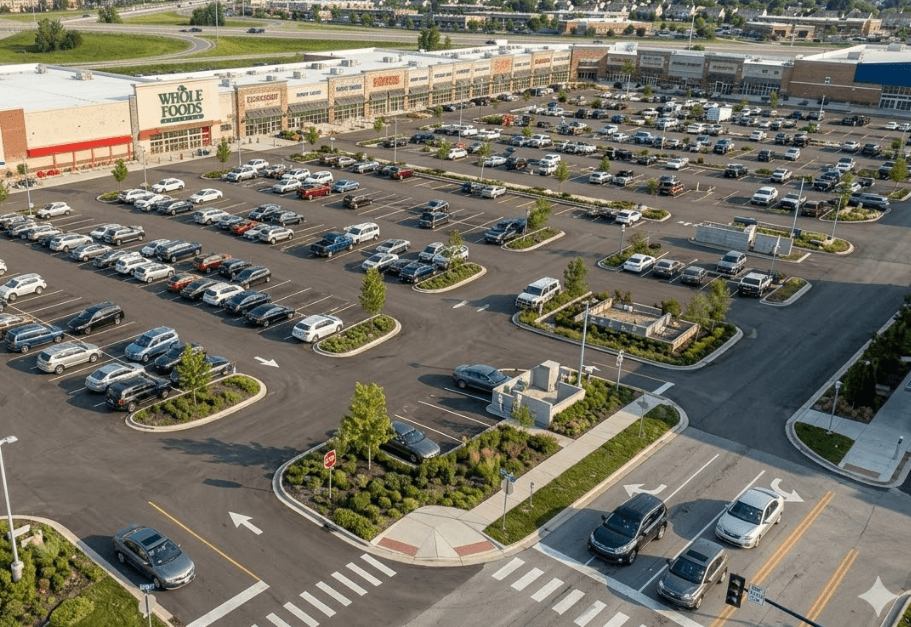
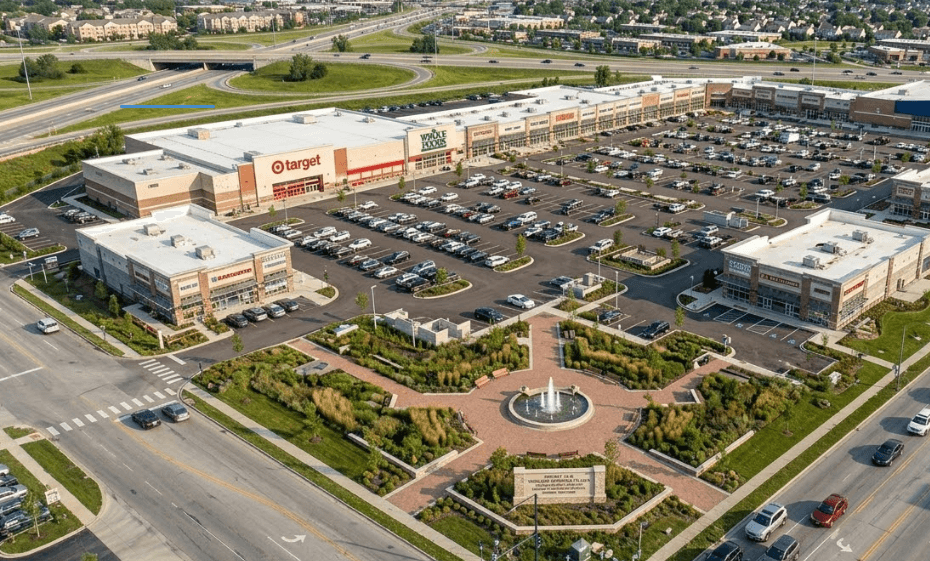
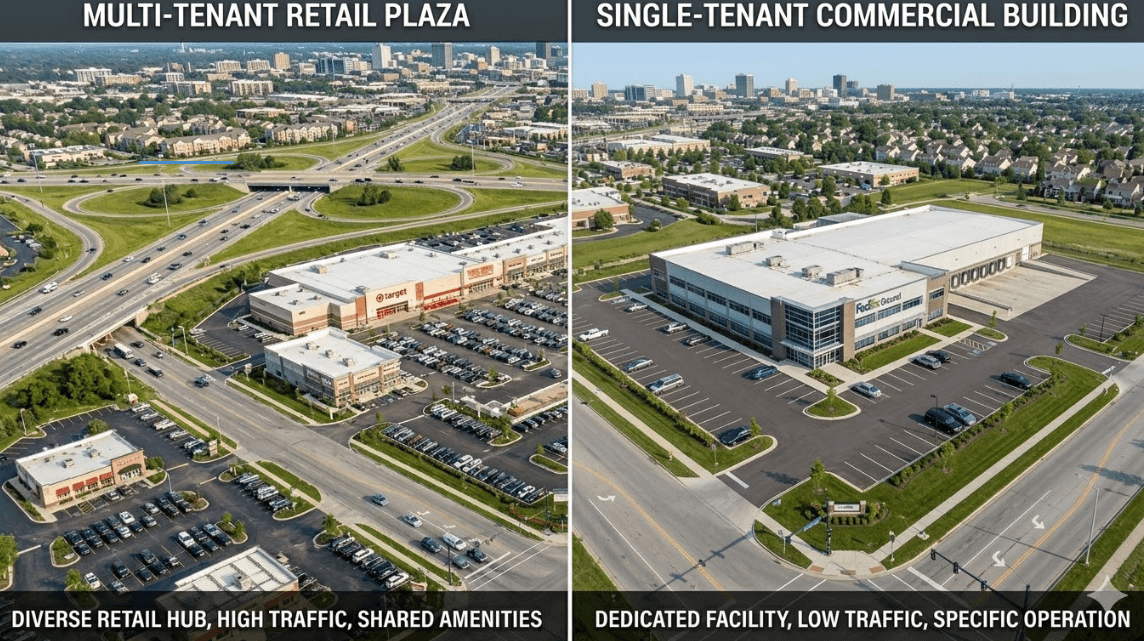
- Easy access from major roads
- High visibility from passing traffic
- Multiple entry and exit points
Areas like:
are strong examples where accessibility and traffic patterns support retail growth.
2. Demographics & Consumer Behavior
Understanding the local population is essential.
Developers analyze:
- Income levels
- Population density
- Spending habits
- Lifestyle preferences
For example, a high-income suburb may support premium retail, while densely populated areas favor convenience-based businesses.
3. Tenant Demand & Market Fit
A great location aligns with tenant needs.
Retailers look for:
- Strong customer base
- Complementary neighboring businesses
- Growth potential
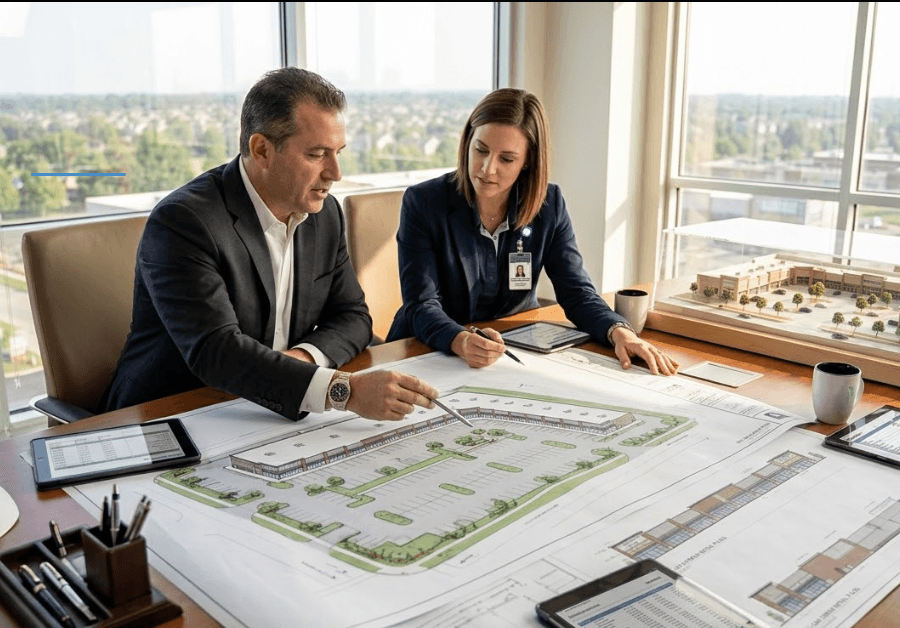
Working with experts in Shopping Plaza Construction ensures your development is designed to match tenant expectations in that specific market.
4. Competition & Surrounding Businesses
Competition isn’t always a bad thing—it can actually drive traffic.
Developers evaluate:
- Nearby retail centers
- Anchor stores in the area
- Business synergy opportunities
A well-placed plaza near established commercial zones can benefit from shared customer flow.
5. Zoning & Local Regulations
Not every location is suitable for retail development.
Important considerations include:
- Zoning restrictions
- Land use regulations
- Parking and infrastructure requirements
Projects in regions like Retail Construction in Chicago South Suburbs require careful planning to meet local compliance standards.
6. Future Growth & Development Potential
Smart developers think long-term.
They look for areas with:
- Planned infrastructure improvements
- Population growth trends
- Expanding commercial activity
Choosing a location with future growth potential can significantly increase ROI over time.
7. Impact on Construction & Costs
Location doesn’t just affect revenue—it also impacts costs.
Factors include:
- Land prices
- Site preparation complexity
- Utility access
An experienced Western Suburbs retail construction contractor can help evaluate these factors early to avoid unexpected expenses.
Final Thoughts
Location is the single most important factor in the success of a retail shopping plaza. It influences everything—from construction costs and tenant demand to long-term profitability and property value.
By partnering with a knowledgeable Chicago Retail Construction Company, developers can make informed decisions that set their projects up for success from day one.